Entertainment Shows in Turmoil Over Key’s “Injection Aunt” Controversy
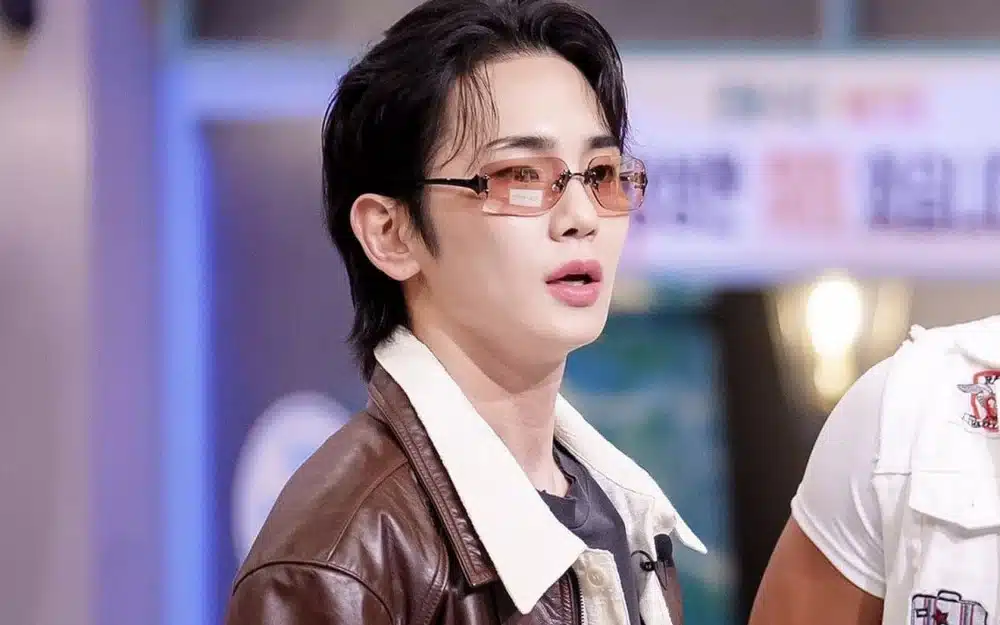
The Korean entertainment industry is facing significant turbulence as Key’s so-called “Injection Aunt” controversy continues to escalate. What began as a single issue has now expanded into widespread fallout, affecting multiple television programs, cast lineups, and production schedules. With growing public backlash, entertainment shows are scrambling to respond, leading to exits, cancellations, and heightened industry tension.
How the Controversy Escalated
The controversy surrounding Key has rapidly gained attention online, sparking intense debate across social media and fan communities. As public scrutiny intensified, the issue quickly moved beyond individual criticism and began impacting the broader entertainment ecosystem.
Producers and broadcasters, facing mounting pressure, were forced to reassess their involvement amid concerns over public perception and advertiser response.
Multiple Exits Rock Ongoing Programs
One of the most immediate consequences has been the withdrawal of cast members and guests from ongoing variety and entertainment programs. Several shows reportedly adjusted their lineups or edited previously filmed content to distance themselves from the controversy.
These exits have disrupted production plans and raised questions about the sustainability of programs already struggling with ratings and competition.
Program Cancellations Add to the Fallout
In more severe cases, some entertainment programs have reportedly been canceled or placed on indefinite hiatus. Industry insiders suggest that the combination of public backlash, sponsor hesitation, and reputational risk made continuation difficult.
Such cancellations highlight how swiftly controversies can impact the television landscape, especially in an era where viewer sentiment spreads rapidly online.
Growing Public Backlash and Industry Pressure
Public reaction has remained intense, with netizens calling for accountability and transparency. The controversy has fueled broader discussions about responsibility, boundaries, and the standards expected of public figures.
Entertainment companies now face increased pressure to respond decisively, balancing crisis management with long-term brand trust.
Ripple Effects Across the Industry
Beyond individual shows, the situation has sent shockwaves throughout the entertainment industry. Producers are reportedly becoming more cautious in casting decisions, while agencies are reinforcing internal guidelines to prevent similar incidents.
The controversy has also reignited debate about how broadcasters should handle sensitive issues and whether preemptive measures are sufficient in protecting programs from sudden backlash.
A Defining Moment for Korean Variety Shows
This situation underscores the fragile nature of modern entertainment production, where a single controversy can derail multiple projects. Variety shows, in particular, are vulnerable due to their reliance on public goodwill and real-time audience engagement.
As reactions continue to unfold, the industry is being forced to confront how it manages crises in an increasingly connected media environment.
Final Thoughts
The “Injection Aunt” controversy involving Key has evolved into a major industry-wide issue, leaving entertainment shows in visible turmoil. With multiple exits, program cancellations, and ongoing backlash, the situation serves as a stark reminder of how quickly public opinion can reshape the entertainment landscape.
As broadcasters and agencies navigate the aftermath, the long-term impact of this controversy may redefine how Korean entertainment handles risk, accountability, and public trust moving forward.