Netizens Debate CORTIS’s TikTok Content Over Alleged “Gang Aesthetic” Copying
CORTIS sparks online debate as netizens argue over whether the group’s recent TikTok videos copy “gang aesthetics” or reflect a growing global street-style trend.
Netizens Strike Up a Debate About CORTIS’s Recent TikTok Over “Copying Gang Aesthetics”
A recent TikTok posted by CORTIS has ignited a heated discussion among netizens, with opinions sharply divided over whether the group’s content is simply trend-driven or crosses a line by copying “gang aesthetics.” As short-form platforms increasingly shape idol branding, the controversy highlights deeper questions about inspiration, appropriation, and the responsibility of public figures in the digital age.
What began as a single video quickly turned into a broader debate across online communities, with fans and critics dissecting visuals, styling, choreography, and intent.
The TikTok That Sparked the Conversation
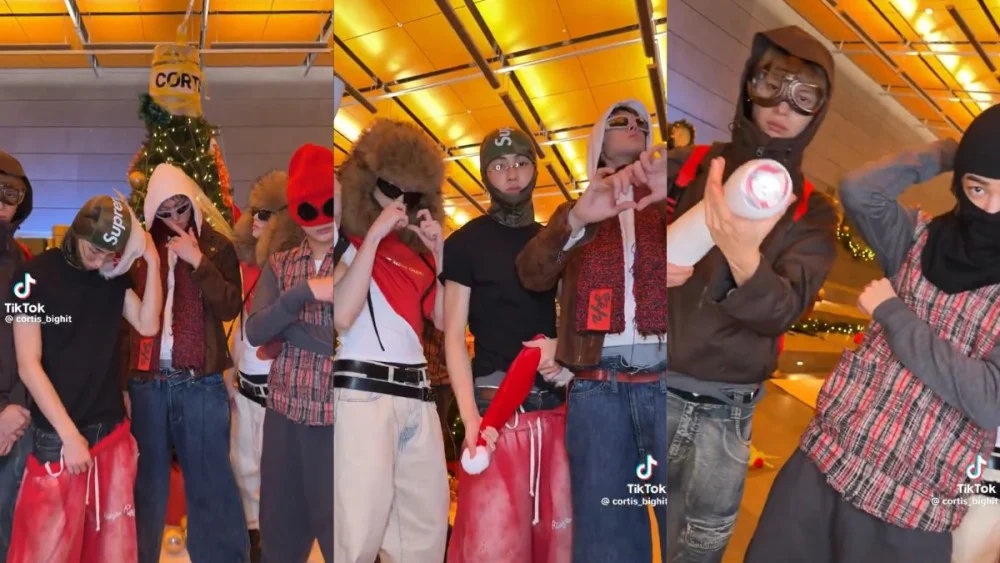
The TikTok in question features CORTIS members dressed in coordinated streetwear, paired with assertive choreography and confident expressions. The video’s tone leans heavily into urban visuals commonly associated with hip-hop culture, including bold gestures, camera angles, and styling choices.
While some viewers praised the group’s charisma and execution, others felt the imagery resembled stereotypical “gang aesthetics,” prompting concerns about imitation and cultural sensitivity.
Netizens Split Into Two Camps
Online reactions quickly formed two main camps. One side argues that CORTIS’s TikTok reflects global street-style trends widely used across music, fashion, and social media. Supporters emphasize that similar aesthetics appear in countless TikTok videos by creators worldwide.
The opposing side contends that the imagery goes beyond fashion inspiration, claiming it borrows heavily from symbols associated with gang culture without sufficient context or understanding.
Arguments in Defense of CORTIS
Fans defending CORTIS point out that TikTok thrives on trends, remix culture, and visual repetition. According to this view, the group is participating in a popular aesthetic rather than deliberately referencing gangs.
Supporters also note that K-pop has long incorporated elements of hip-hop fashion, citing oversized silhouettes, street choreography, and confident performance styles as industry staples rather than controversial choices.
Critics Raise Concerns About Sensitivity
Critics, however, argue that intent does not negate impact. They claim that using imagery closely associated with real-world violence and social issues risks trivializing serious experiences faced by marginalized communities.
Some netizens emphasized that idols, as global influencers, should be mindful of how visual cues may be interpreted across different cultural contexts.
The Blurred Line Between Inspiration and Imitation
The debate surrounding CORTIS highlights a recurring challenge in pop culture: where does inspiration end and imitation begin? In a digital era where trends spread rapidly, visual overlap is almost inevitable.
However, critics argue that repeating certain motifs without deeper engagement can come across as superficial or insensitive, especially when the aesthetics originate from lived experiences rather than fashion movements.
TikTok’s Role in Amplifying Controversy
TikTok’s algorithm plays a major role in amplifying both praise and criticism. Short videos are easily recontextualized, stitched, or reposted with commentary, allowing narratives to spread rapidly.
In CORTIS’s case, the original TikTok gained renewed attention as clips circulated with captions questioning the group’s intent, fueling debate beyond the initial audience.
Broader Industry Context
This controversy is not unique to CORTIS. K-pop acts across generations have faced similar criticism when incorporating hip-hop-inspired visuals. As K-pop continues to expand globally, scrutiny around cultural representation has intensified.
Industry observers note that these discussions reflect evolving audience expectations rather than isolated backlash.
Fans Call for Nuanced Discussion
Many fans urged for a more balanced conversation, cautioning against labeling the group too quickly. They stressed the importance of constructive dialogue over harassment, emphasizing that criticism should focus on concepts and choices rather than personal attacks.
Several netizens also highlighted the need for education and open discussion rather than immediate condemnation.
Silence or Response?
As of now, CORTIS has not issued an official response regarding the TikTok. Some fans believe silence may be intentional to avoid escalating the situation, while others feel a brief clarification could help ease tensions.
Entertainment agencies often face difficult decisions when addressing online debates, weighing transparency against the risk of further controversy.
What This Debate Reflects About Modern Fandom
The discussion surrounding CORTIS reveals how fandom culture has evolved. Fans today are not only consumers of content but also active critics who analyze visuals, messaging, and implications.
This shift has transformed social media into a space where accountability and creativity coexist—sometimes uncomfortably.
The Importance of Context in Global Pop Culture
As K-pop continues to draw inspiration from diverse global influences, context becomes increasingly important. Visual storytelling without explanation can easily be misinterpreted, especially across cultures.
Experts suggest that thoughtful concept development and clear artistic direction can help prevent misunderstandings.
A Teachable Moment for the Industry
Whether one views the TikTok as harmless trend participation or questionable imitation, the debate itself underscores the need for ongoing conversations about representation in entertainment.
Agencies and artists alike may benefit from consulting cultural experts when exploring aesthetics rooted in specific social histories.
Final Thoughts
The debate over CORTIS’s recent TikTok and alleged “copying gang aesthetics” reflects broader tensions within modern pop culture. As trends evolve rapidly and borders blur, audiences are becoming more vocal about how imagery is used and interpreted.
While opinions remain divided, the discussion serves as a reminder that visual choices carry meaning—especially in an era where a single TikTok can spark global conversation overnight.