South Korea’s Supreme Court Rejects Former NCT Member Taeil’s Second Appeal
South Korea’s Supreme Court has rejected former NCT member Taeil’s second appeal, finalizing his sentence and sparking renewed public discussion and reactions online.
South Korea’s Supreme Court Rejects Former NCT Member Taeil’s Second Appeal
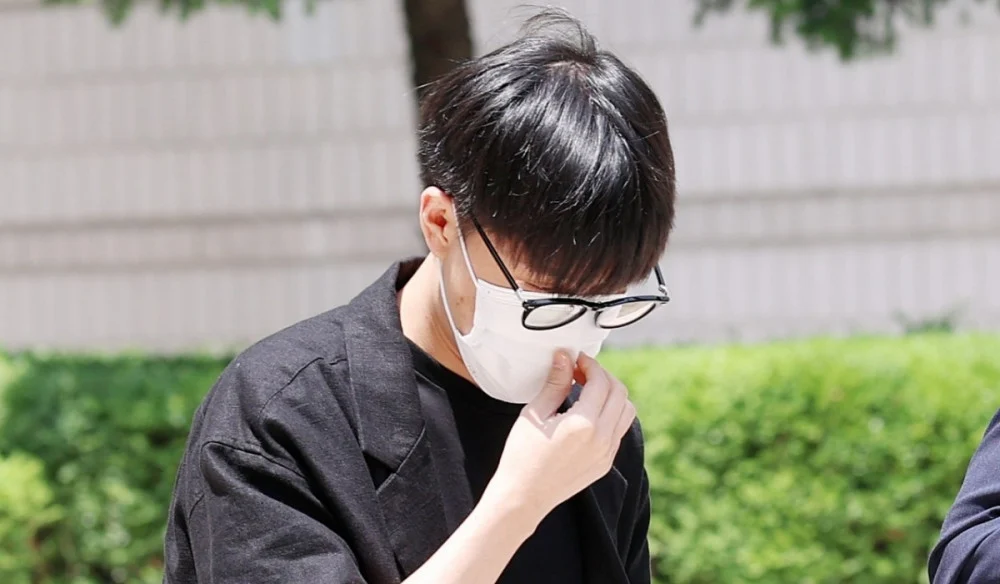
South Korea’s Supreme Court has officially rejected the second appeal filed by former NCT member Taeil, marking the final chapter in a case that has drawn intense public scrutiny. With the highest court’s decision, Taeil’s sentence is now finalized, ending months of legal proceedings and reigniting debate among netizens regarding accountability, justice, and the responsibilities of public figures.
The ruling has quickly become a major topic across Korean online communities, reflecting the case’s continued impact on both the entertainment industry and public discourse.
A Final Decision From the Highest Court
The Supreme Court’s rejection confirms the lower courts’ rulings, leaving no further room for appeal under South Korean law. By dismissing Taeil’s second appeal, the court effectively upheld the original judgment and sentence, signaling that it found no legal errors or grounds significant enough to warrant reconsideration.
Legal experts note that Supreme Court rejections often indicate a strong alignment with previous verdicts.
Background of the Case
Taeil, once known as a member of the globally recognized K-pop group NCT, became embroiled in controversy following criminal charges that ultimately led to his removal from the group. The case unfolded over multiple stages, with initial trials followed by appeals as Taeil sought reduced sentencing.
Each phase attracted widespread attention, highlighting the intersection between celebrity status and the judicial system.
Why the Second Appeal Mattered
The second appeal represented Taeil’s final legal attempt to overturn or reduce his sentence. His legal team reportedly argued for reconsideration based on sentencing severity and contextual factors.
However, the Supreme Court’s dismissal indicates that the judges determined the existing rulings were legally sound and proportionate.
Public Reaction Across Online Communities
Following the announcement, reactions poured in across social media and online forums. Many netizens expressed that the Supreme Court’s decision reinforces the principle that no one is above the law, regardless of fame or influence.
Others debated whether the sentence was appropriate, reflecting ongoing divisions in public opinion.
Renewed Attention on Accountability in K-pop
The ruling has once again sparked broader discussions about accountability within the K-pop industry. Fans and commentators noted that the case serves as a reminder that idols, despite their celebrity status, are subject to the same legal standards as ordinary citizens.
Some praised the courts for maintaining consistency and fairness.
The Impact on NCT’s Image
While Taeil is no longer part of NCT, the case has inevitably affected public conversations surrounding the group. Fans emphasized the importance of separating individual actions from group identity, while others highlighted how agencies must respond decisively to serious legal issues.
The case has also influenced how entertainment companies manage crises.
Industry Response and Agency Responsibility
Observers pointed out that the handling of Taeil’s situation reflects a growing trend of agencies distancing themselves quickly from legal controversies. This approach aims to protect other artists and uphold corporate responsibility.
Industry insiders believe this strategy may become increasingly common.
Legal Experts Weigh In
Legal analysts commenting on the Supreme Court’s rejection explained that second appeals are rarely accepted unless there is a clear violation of legal principles. In this case, the court’s decision suggests that procedural fairness was upheld throughout the trial process.
This reinforces confidence in the judicial system’s consistency.
Netizens Revisit Past Evidence and Messages
With the case officially concluded, netizens have revisited past evidence, trial details, and related discussions. Some online users emphasized the importance of respecting the court’s decision and avoiding further speculation.
Others called for lessons to be learned rather than continued controversy.
The Broader Cultural Conversation
Beyond the individual case, the ruling has contributed to a larger cultural conversation in South Korea about celebrity influence, justice, and social responsibility. Public sentiment increasingly favors transparency and accountability, particularly when public figures are involved in serious legal matters.
The case reflects shifting expectations from fans and the general public alike.
Mental Health and Public Scrutiny
Some discussions also touched on the mental health impact of prolonged legal battles and public judgment. While accountability remains essential, commentators stressed the importance of responsible discourse that avoids harassment or misinformation.
With the Supreme Court’s decision, legal proceedings surrounding Taeil are officially concluded. Attention now shifts to how the entertainment industry and fans move forward, focusing on prevention, education, and ethical standards.
The ruling sets a precedent that may influence future cases involving celebrities.
Final Thoughts
The Supreme Court’s rejection of former NCT member Taeil’s second appeal marks a decisive end to a highly publicized legal case. The ruling underscores the judiciary’s stance on accountability and reinforces the message that fame does not exempt individuals from the law.
As discussions continue, the case stands as a sobering reminder of responsibility, consequences, and the evolving relationship between public figures and public trust.