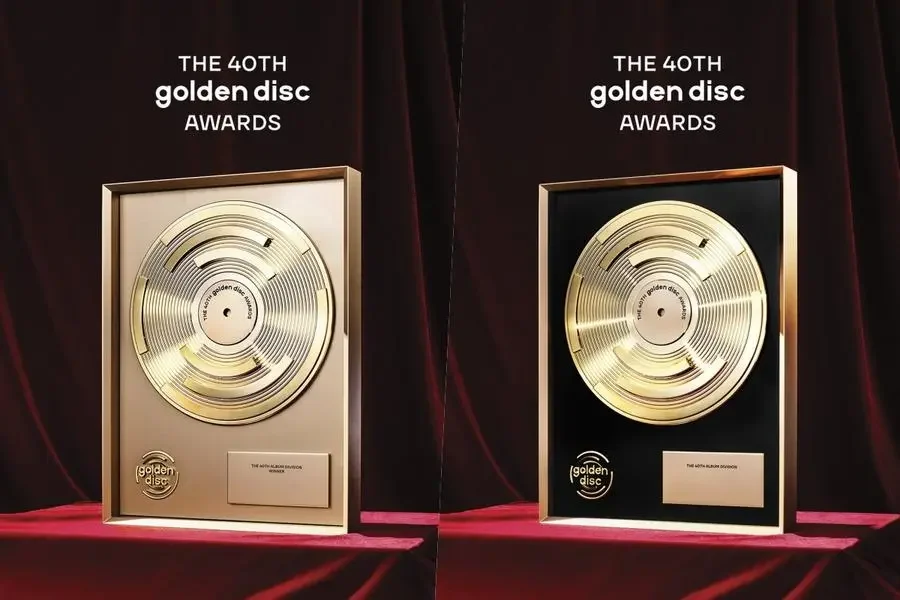
Three Daesangs for Golden Disc Awards Causes Stir Among K-Pop Fandoms
The announcement of three Daesangs at the Golden Disc Awards 2025 has sparked heated discussion among K-pop fandoms. Here’s why fans are divided and what it means for the awards season.
Three Daesangs for Golden Disc Awards Causes A Stir Among Fandoms: Here’s A Look At Why
The Golden Disc Awards 2025 recently made headlines, not only for celebrating the achievements of K-pop’s biggest acts but also for the unexpected announcement of three Daesang winners, sparking lively debates among fandoms. The decision to award multiple grand prizes has created both excitement and controversy, with fans dissecting the criteria, timing, and implications of this rare occurrence.
In this article, we’ll break down why the announcement of three Daesangs has become a hot topic, explore the industry perspective, and highlight the reactions from various K-pop fandoms.
What Are Daesangs?
Daesangs, often referred to as Grand Prizes, are the highest honors given at Korean music award ceremonies like the Golden Disc Awards. Typically, only one or two Daesangs are presented in categories such as Digital Song of the Year, Album of the Year, and Artist of the Year, recognizing exceptional achievements in sales, streaming, and overall impact on the industry.
Winning a Daesang is considered one of the highest accolades in K-pop, often cementing an artist’s legacy and reflecting both critical and commercial success.
For the 2025 Golden Disc Awards, organizers announced that three Daesang trophies would be awarded. While this is not unprecedented, it is uncommon enough to grab the attention of both media and fans.
Industry insiders suggest the decision was made to acknowledge multiple artists who achieved extraordinary milestones, balancing commercial success with artistic influence. However, this has left some fans questioning the criteria used and whether all three recipients equally deserve the honor.
Fan Reactions and Controversy
The reactions on social media were swift and polarized. Fans of the winning artists celebrated their favorite idols, praising the recognition of their hard work, while others expressed confusion or frustration. The main points of contention include:
Perceived Inequality – Some fandoms argue that the awards do not accurately reflect true industry dominance, with certain artists seen as “overlooked” despite high sales or streaming numbers.
Commercial vs Artistic Value – Critics questioned whether the Daesang decisions prioritize commercial performance over artistic merit, leading to debates about fairness.
Multiple Winners – Awarding three grand prizes simultaneously diluted the sense of exclusivity, causing some fans to feel the prestige of a Daesang is being compromised.
Twitter, Instagram, and fan forums were flooded with hashtags like #GoldenDiscDaesang, #DaesangControversy, and #KpopAwards2025, as K-pop communities shared their thoughts and grievances.
Why Three Daesangs? Industry Perspective
From an industry perspective, awarding three Daesangs can be seen as a strategic and diplomatic decision. Organizers may aim to:
Acknowledge multiple successful acts: K-pop has become increasingly competitive, and multiple artists often achieve record-breaking sales and international recognition.
Avoid backlash from fandoms: By distributing the highest honor among several top performers, organizers may mitigate criticism of favoritism.
Reflect the evolving industry landscape: With global streaming and international fandoms contributing significantly, the traditional one-Daesang model may no longer suffice to capture the full scope of success.
Industry analysts note that this approach reflects K-pop’s expansion and globalization, where fan engagement and commercial influence extend far beyond Korea.
Historical Context of Multiple Daesangs
While rare, the Golden Disc Awards have occasionally awarded multiple Daesangs in the past. For example, years where multiple artists achieved unprecedented sales figures or global recognition have seen exceptions made.
However, awarding three simultaneous Daesangs is still uncommon and carries symbolic weight, signaling that all three recipients are considered equally influential in shaping the music industry for the year.
Impact on Fandom Dynamics
Fandoms are the lifeblood of K-pop, and the announcement has stirred discussions about loyalty, recognition, and fairness. The reactions can be broken down into several patterns:
Celebratory Fandoms – Fans of the winning artists are elated, often creating congratulatory campaigns online, organizing fan art projects, and trending hashtags to celebrate the achievement.
Critical Fandoms – Some fandoms feel marginalized, arguing that their favorite artists were overlooked despite commercial or artistic merits. This has led to debates over transparency and credibility of award decisions.
Neutral Observers – Many casual fans or international followers see the multiple Daesangs as an opportunity to appreciate more artists, focusing on the positive recognition rather than the controversy.
This dynamic highlights the passionate and sometimes contentious nature of K-pop fandoms, where awards ceremonies can trigger both celebration and debate.
The Role of Social Media in Amplifying the Debate
Social media platforms like Twitter, Instagram, TikTok, and YouTube play a crucial role in shaping public perception. Within hours of the announcement, reactions ranged from viral memes and celebratory posts to analytical breakdowns of sales figures, streaming data, and voting results.
The controversy surrounding multiple Daesangs underscores the power of fandoms in influencing public discourse, as well as the challenges award organizers face in navigating the expectations of a global audience.
Looking Ahead: What This Means for K-Pop Awards
The 2025 Golden Disc Awards may signal a shift in the approach to K-pop awards, where traditional models of exclusivity give way to recognition of multiple top performers.
Flexible award structures – More categories or additional grand prizes may be introduced to accommodate industry growth.
Fan-centric decision-making – Increased transparency and communication with fandoms may become a priority to reduce backlash.
Global influence – Awards may increasingly reflect international impact, with recognition based on global streaming, chart performance, and fan engagement.
By awarding three Daesangs, organizers are acknowledging that the K-pop industry has evolved beyond traditional frameworks, highlighting the significance of multiple global stars in shaping the music landscape.
Conclusion
The announcement of three Daesangs at the Golden Disc Awards 2025 has sparked a mixture of celebration, controversy, and lively discussion among K-pop fandoms. While fans of the winning artists rejoice, others question the fairness and implications of multiple grand prizes.
This debate highlights the complexity of awarding top honors in a rapidly evolving industry, where commercial success, artistic influence, and global fan engagement all play a role.
Despite the controversy, the decision to award three Daesangs reflects K-pop’s expanding global reach, competitive landscape, and fan-driven culture, signaling that the industry is adapting to a new era where multiple artists can simultaneously achieve unprecedented success.
For K-pop fans and industry observers alike, the Golden Disc Awards 2025 will be remembered not only for the winners themselves but also for the discussion, analysis, and passionate engagement it generated, illustrating the enduring influence of fandoms in shaping K-pop’s cultural and commercial narrative.