Why “Narae Bar” Was Banned by Girl Group Idol Agencies
Discover why several girl group idol agencies reportedly banned appearances on “Narae Bar,” citing concerns over image management, privacy, and idol protection.
Why “Narae Bar” Was Banned by Girl Group Idol Agencies
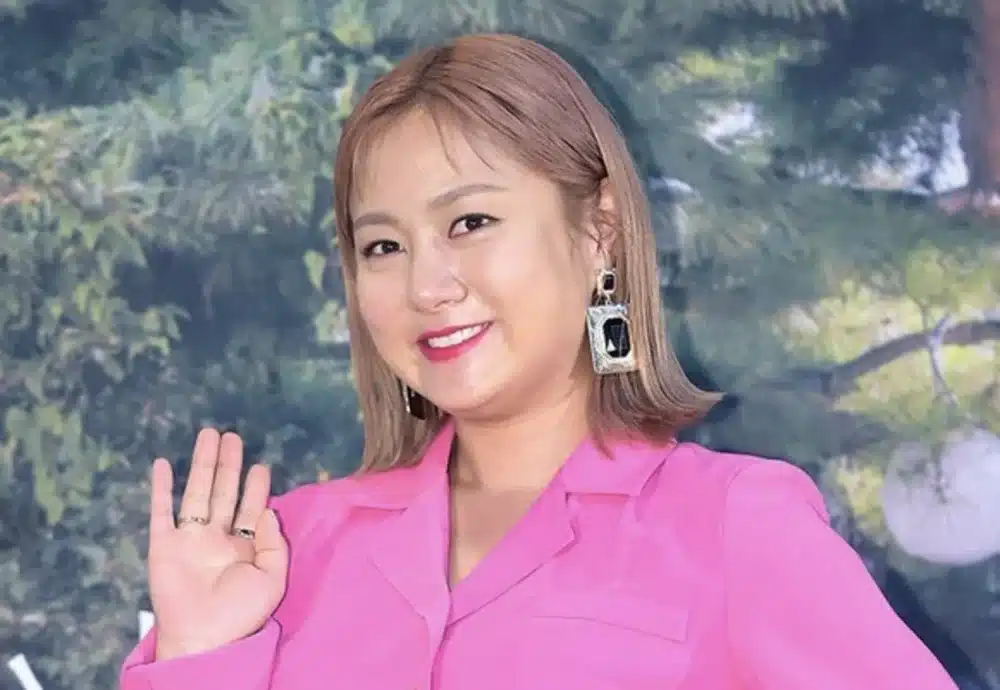
Popular talk show “Narae Bar,” hosted by comedian Park Na Rae, has long been known for its candid conversations, free-flowing alcohol, and unfiltered storytelling. While the program earned praise for its honesty and humor, it has also reportedly become a program many girl group idol agencies actively avoid or restrict, sparking renewed attention amid recent controversies surrounding the show.
Industry insiders and entertainment commentators have pointed to several key reasons why agencies became increasingly cautious about allowing female idols to appear on the program.
A Show Built on Unfiltered Honesty
“Narae Bar” gained popularity for its relaxed atmosphere, where celebrities openly discussed personal struggles, relationships, and behind-the-scenes industry stories. The format, modeled after a late-night bar conversation, often involved drinking, casual language, and spontaneous remarks.
While this authenticity resonated with adult audiences, idol agencies—particularly those managing girl groups with young or global fanbases—viewed the concept as risky.
One of the primary reasons agencies reportedly banned appearances is image management. Girl group idols are often marketed with carefully curated personas that emphasize relatability, elegance, or innocence.
“Narae Bar,” by contrast, encourages guests to speak freely about sensitive topics, which agencies fear could:
Spark dating rumors
Trigger online backlash or malicious comments
Conflict with a group’s established image
Be taken out of context and go viral negatively
Even casual jokes or relaxed behavior could become controversial in the highly scrutinized K-pop environment.
Concerns Over Alcohol and Public Perception
Another major factor is the presence of alcohol on the show. While drinking culture is common in Korean variety programming, agencies managing idols—especially younger female idols—remain cautious.
Public drinking by idols can:
Draw criticism from conservative viewers
Affect endorsements and brand partnerships
Clash with “role model” expectations
Lead to misinterpretations of behavior
As a result, agencies often prefer shows with controlled scripts and family-friendly formats.
Fear of Unintentional Controversy
Several agencies reportedly viewed “Narae Bar” as high-risk due to its unscripted nature. Without heavy editing control, idols could unintentionally reveal:
Internal company matters
Personal struggles not yet public
Opinions that conflict with public narratives
Once aired, such content is difficult to retract, especially in the age of viral clips and short-form social media.
Past Incidents and Renewed Scrutiny
Although “Narae Bar” maintained strong viewership, past moments—combined with recent controversies involving Park Na Rae—have reignited discussions about the program’s boundaries.
Industry watchers note that agencies became more cautious over time, quietly declining invitations rather than making public statements. This led to a noticeable absence of active girl group idols, while actors, comedians, and senior entertainers continued to appear.
The situation highlights a broader issue within K-pop: the immense pressure placed on female idols compared to their male counterparts. While some male idols have appeared on relaxed or alcohol-based shows with minimal backlash, female idols often face harsher judgment for similar behavior.
This imbalance has fueled ongoing debates about double standards, media responsibility, and the mental health of idols.
Conclusion
The reported banning of “Narae Bar” by girl group idol agencies reflects deeper concerns about image protection, public scrutiny, and risk management in the K-pop industry. While the show offered refreshing honesty, agencies prioritized safeguarding their artists from potential controversy in an unforgiving online environment.
As conversations about idol freedom and authenticity continue, “Narae Bar” remains a symbol of the tension between candid expression and the tightly controlled world of K-pop celebrity culture.